Ethnic & Tribal Jewellery
Traditional necklaces, bracelets, bangles, rings and amulets in silver, coral, turquoise, bronze and beads, from India, Nepal, Tibet, Morocco, Egypt and West and Central Africa.
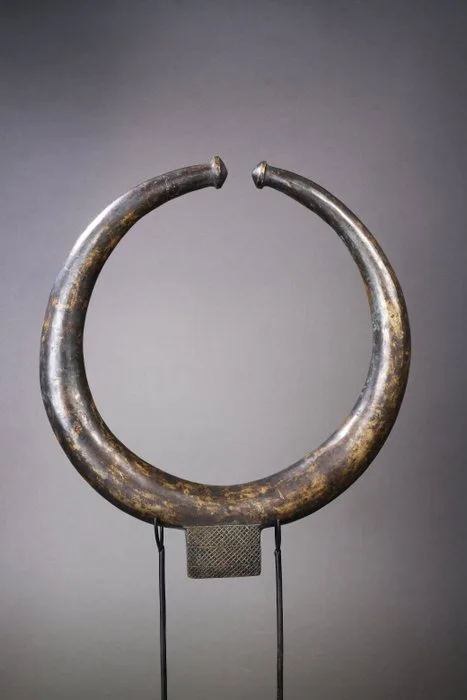
Exceptional TEKE prestige necklace - DR Congo
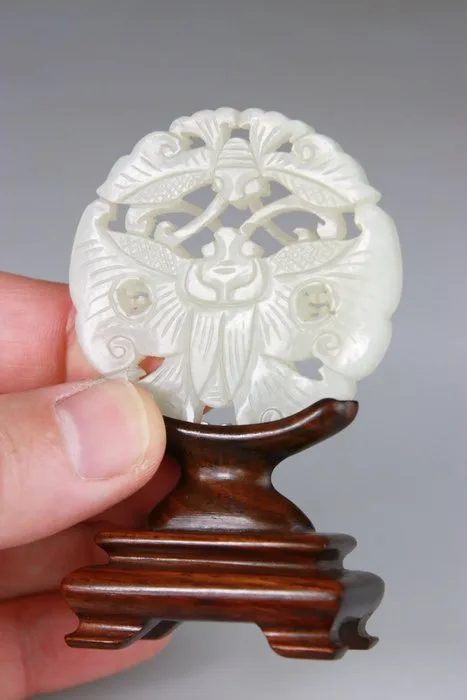
Plaque - White Nephrite Jade Pendant - Rosewood Base - Jade, Nephrite jade - China - Qing dynasty
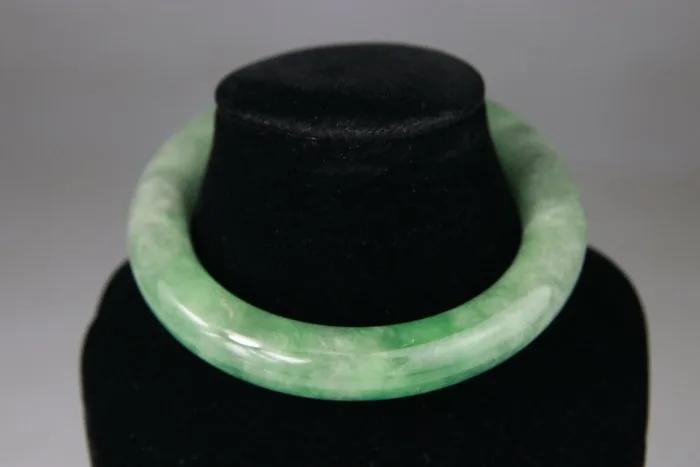
Chinese bracelet - Apple Green - Stone - China - 20th century
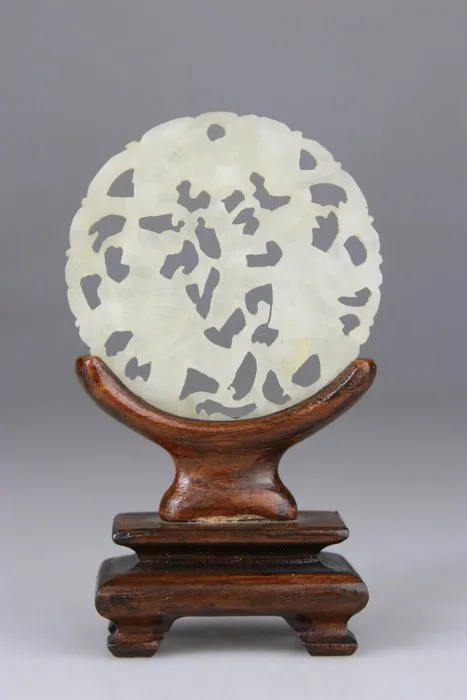
Plaque - White Nephrite Jade Pendant - Wooden Base - Jade, Nephrite jade - China - Late 19th or Early 20th century
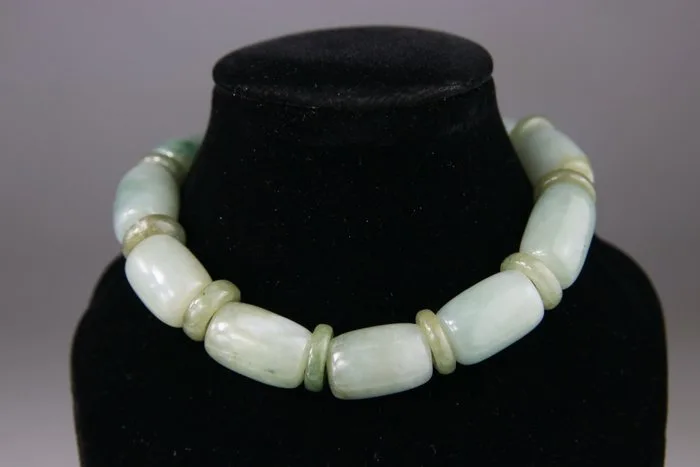
Chinese bracelet - Apple Green color - Sculpted stone Jade Jadeite - China - Early 20th century
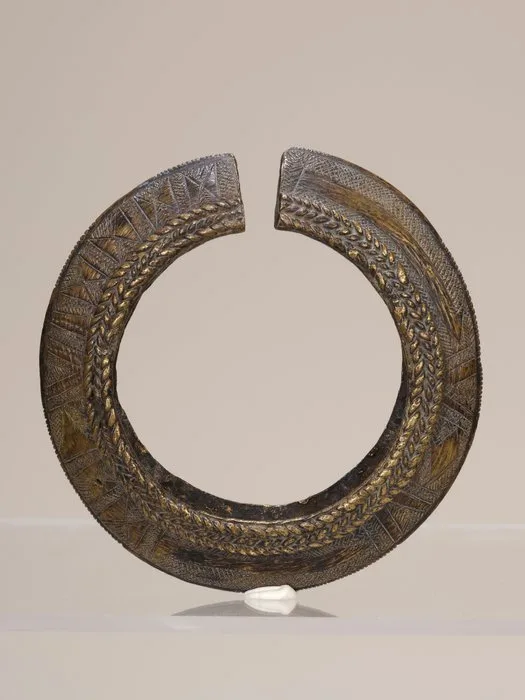
Large hollow copper-alloy bracelet – Kobre type – Mossi attribution – Burkina Faso
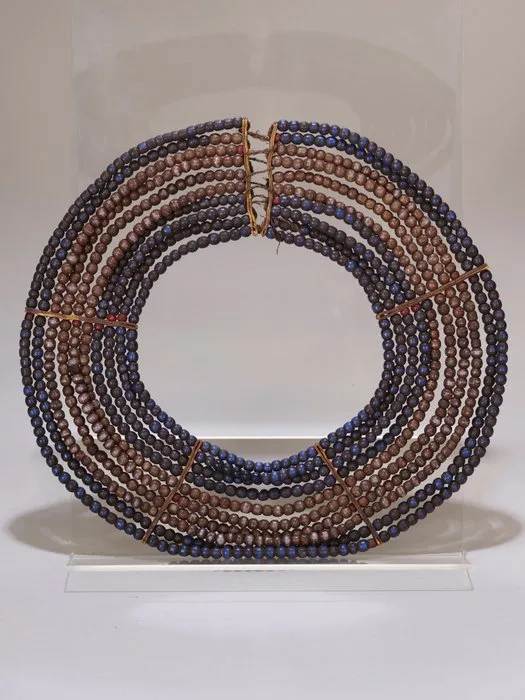
Large Beaded Collar / Breastplate – Kamba – Kenya – Blue and Beige Beads
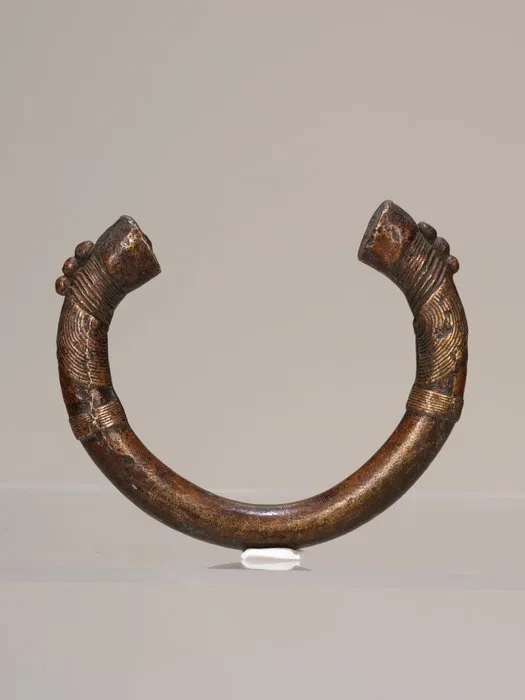
Heavy Copper-Alloy Bracelet – Dan / Wé Cultural Area – Côte d’Ivoire / Liberia
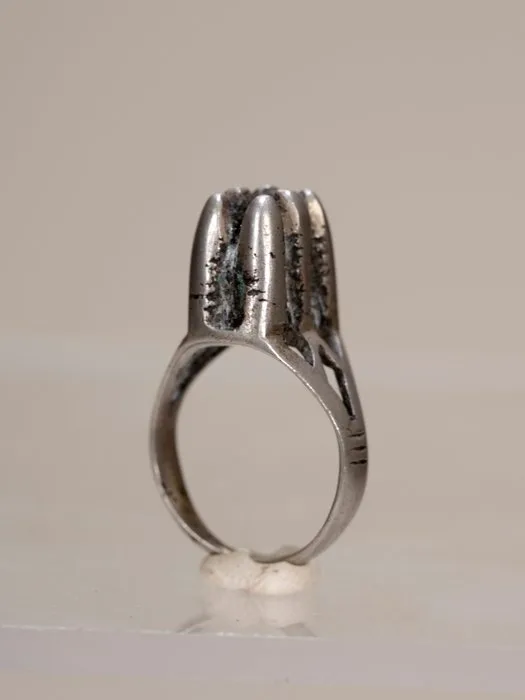
Fulani / Peul Ring – West Africa – low-grade silver – architectural mosque-like motif
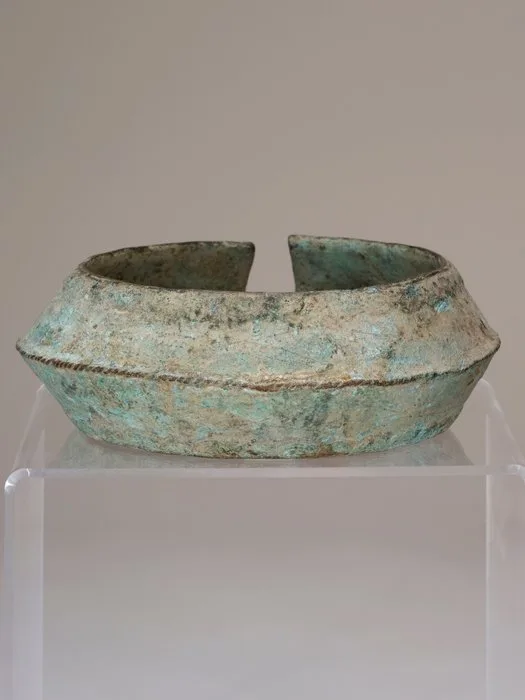
Large Bronze Torque / Prestige Neck Ring – West Africa, Possibly Gan – Copper Alloy – Ø 20 cm
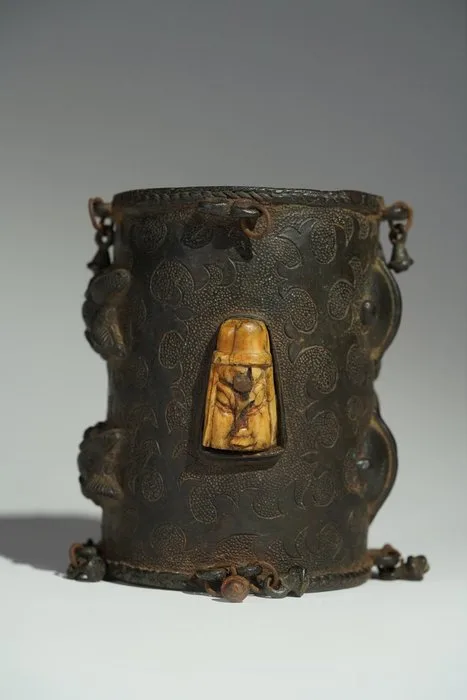
A bronze bracelet - Benin - Nigeria
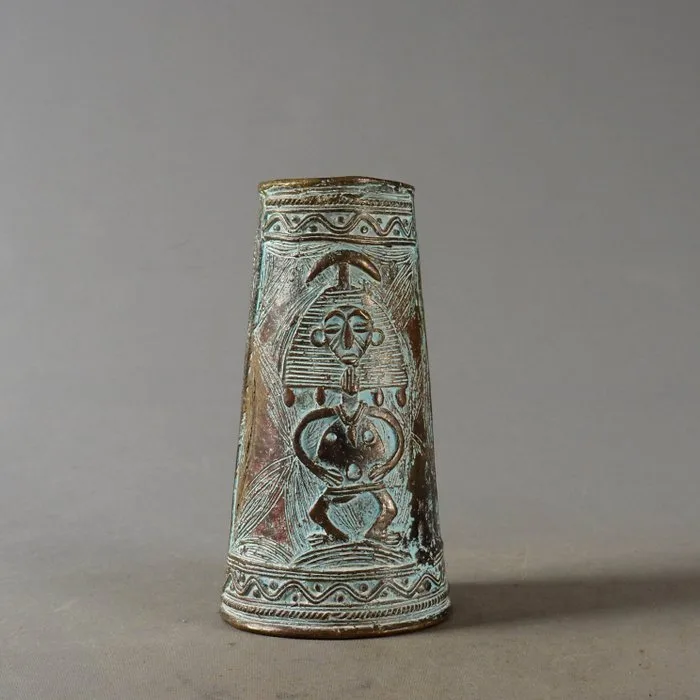
Decorative ornament - Benin - cuff bracelet
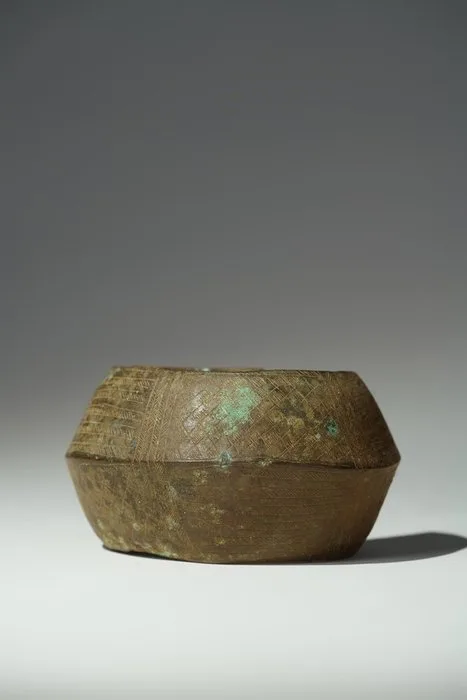
A bronze bracelet - Baule - Côte d'Ivoire
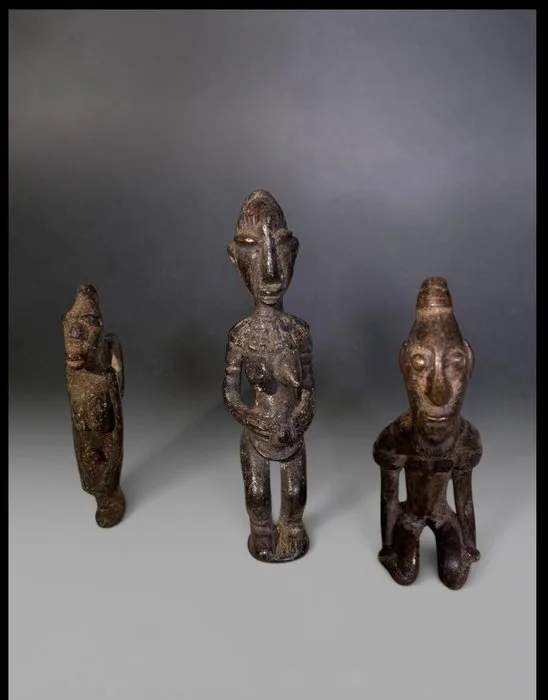
colliers Dogon - bronze necklaces - Dogon - Mali
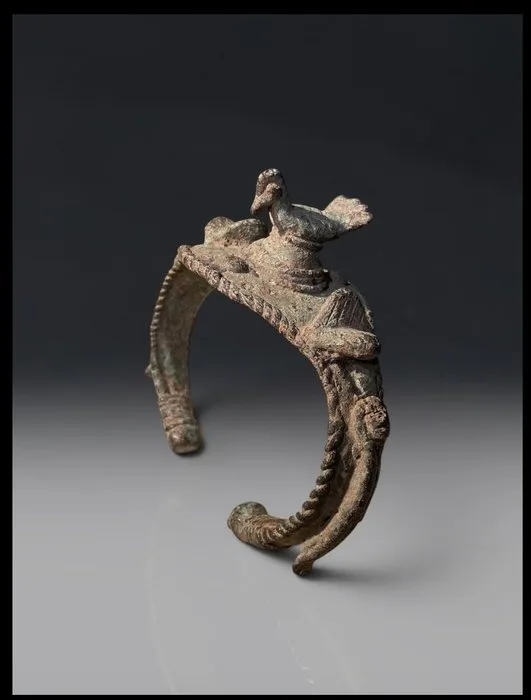
Magnificent bracelet Dogon - bronze seated hen - Dogon - Mali
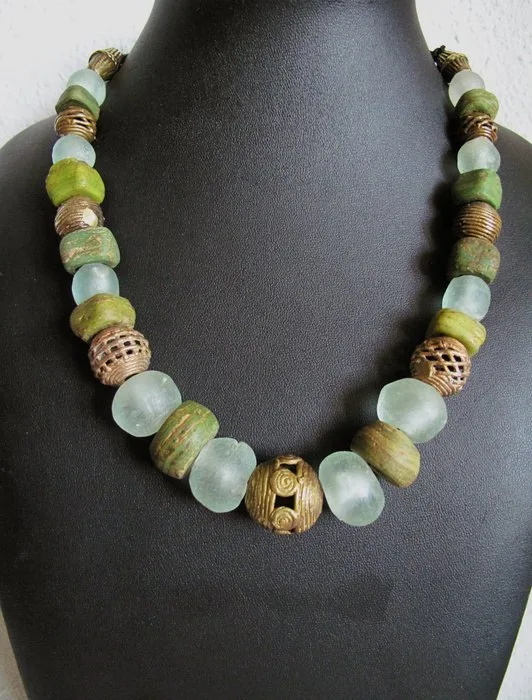
Bronze, Glass beads from Hebron and Krobo - Necklace - Ghana
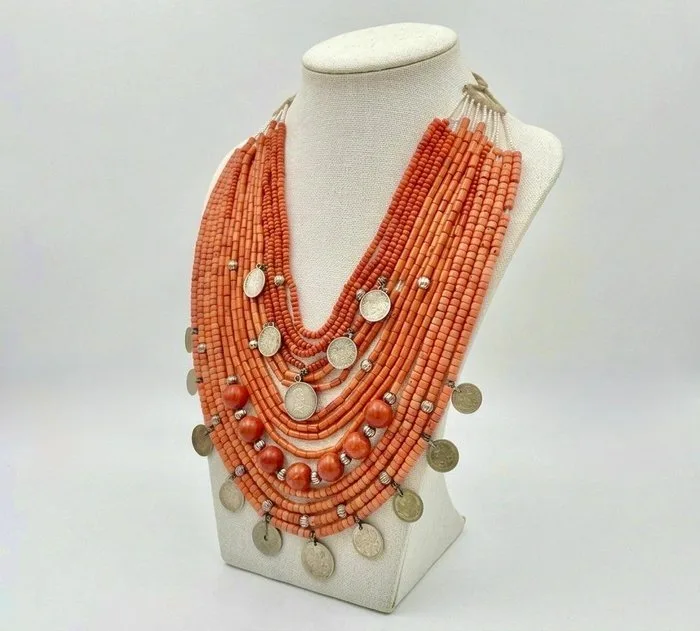
Old Traditional Ukrainian Coral Namysto Necklace - Coral - Ukraine - 20th century
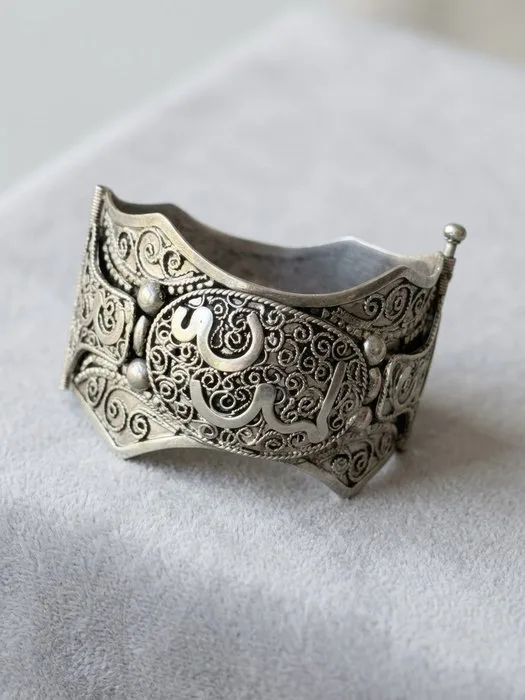
Silver, Ancient Berber cuff bracelet in solid silver, filigreed – Maghreb, early 20th century. - Bracelet
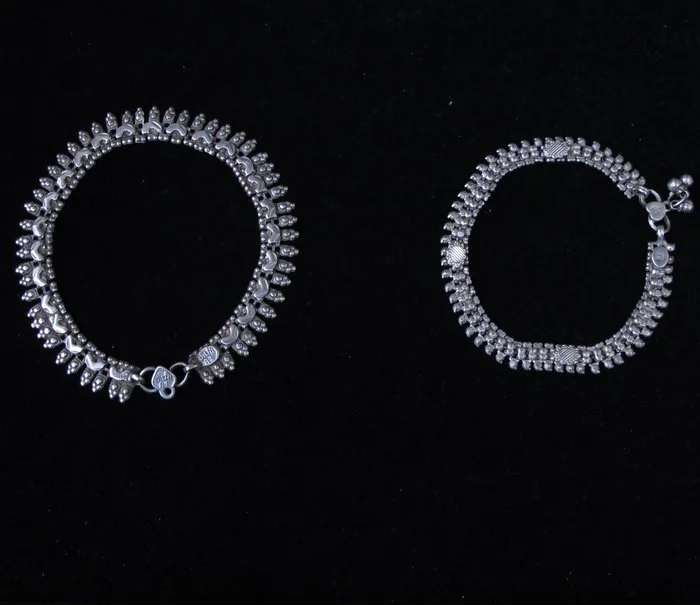
Two antique ankle chains from Rajasthan. - Silver - India - End of the 19th century
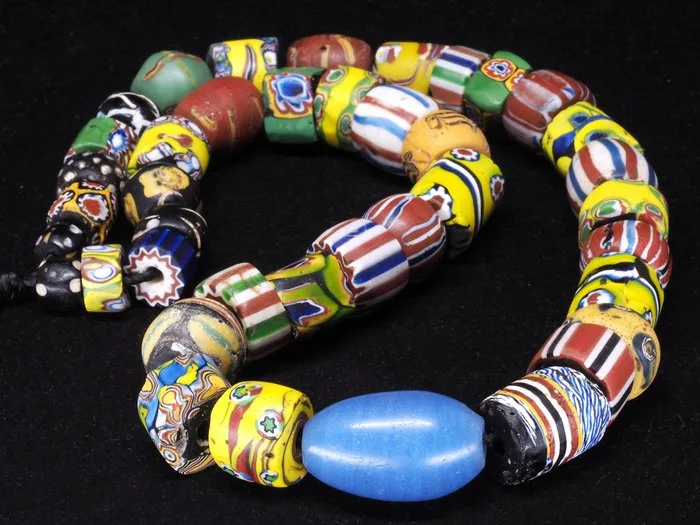
Glass beads strand - String of beads - Venetian Beads
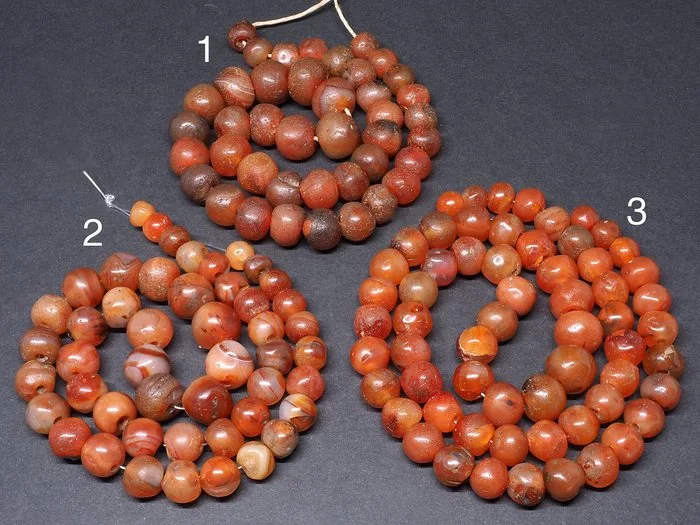
Strand of beads - Carnelian - Sahara-West Africa - Antique
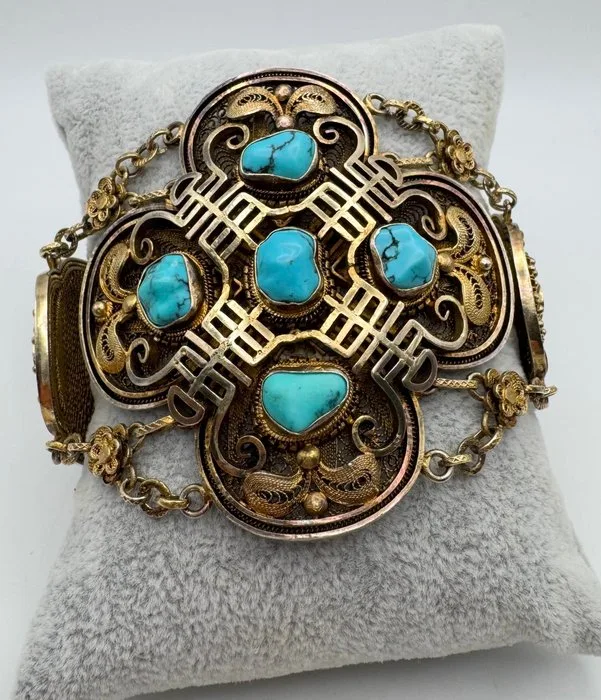
Bracelet filigree with turquoise - Silver - China - mid 20th century
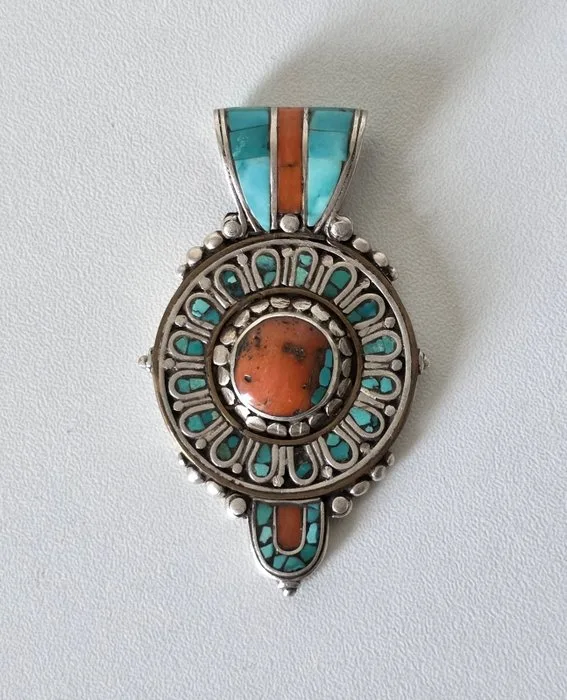
Pendant - Silver, turquoise, Coral - Nepal - second half 20th century
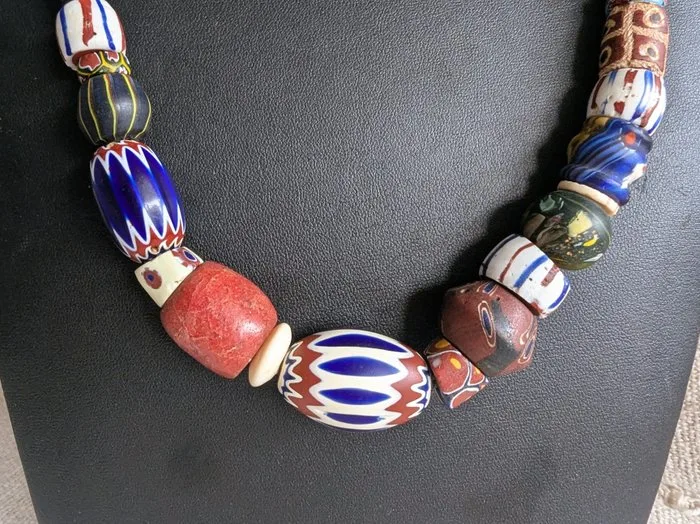
20th-century Murano glass beads - Necklace - Millefiori Mali 65 cm
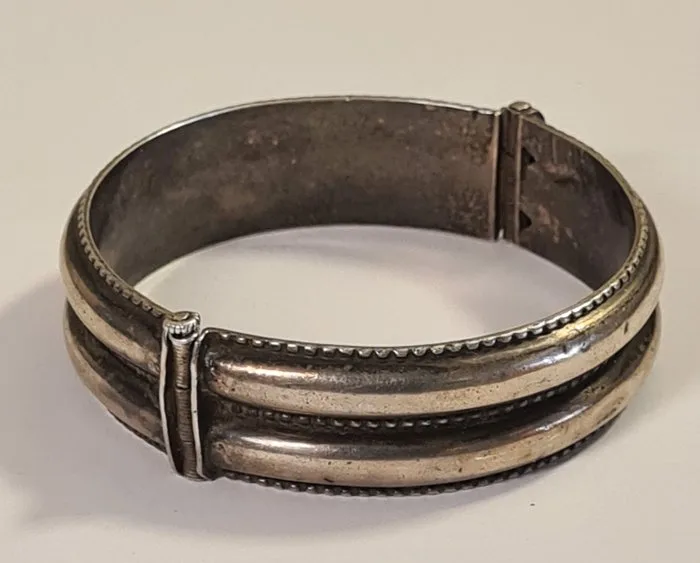
Silver - Bangle - 945 YEMEN Bedouin XRAY
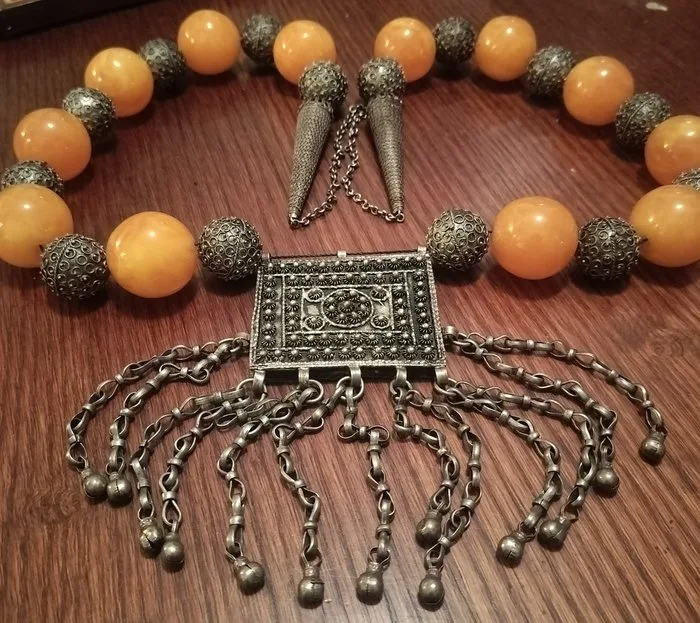
Huge yemeni necklace - Silver - Yemen - Early 20th century
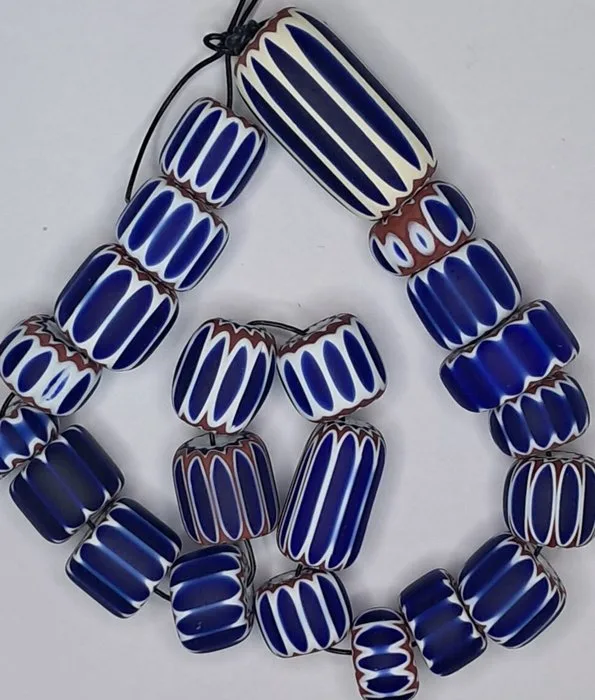
Bead (22) - Tubular rosette pearls
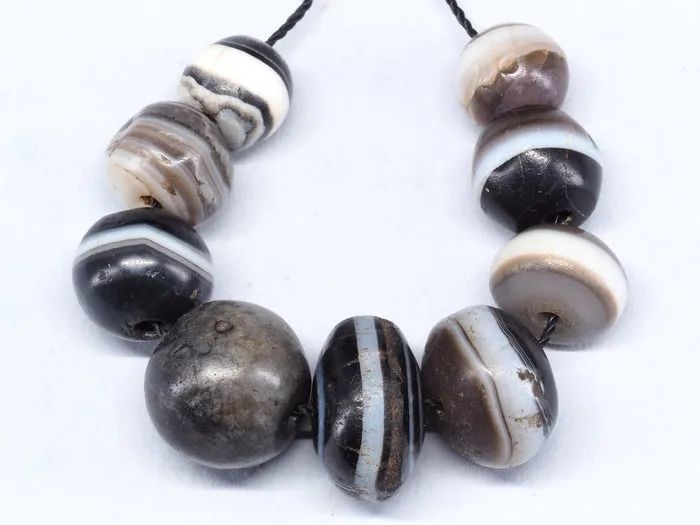
Bead - India - Ancient banded agate
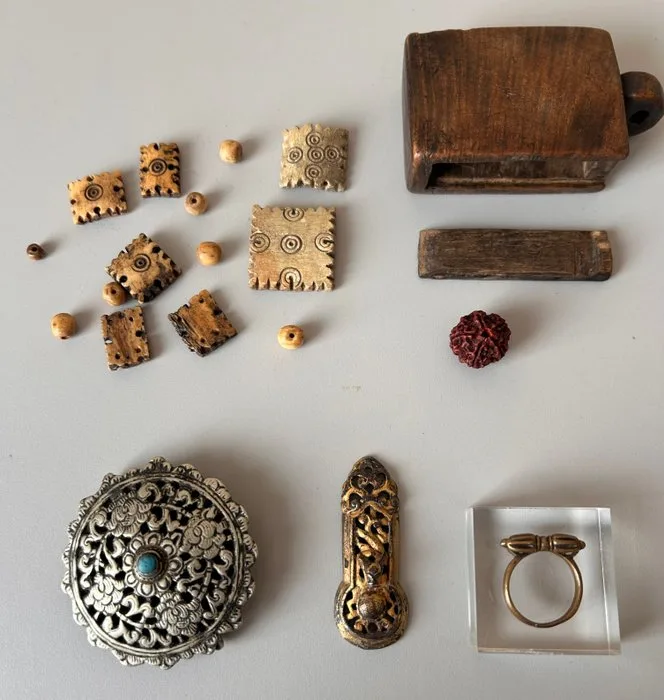
Clothing hook, ring, beads, ornament and rudraksha bead - Himalayan region - 1700-1950
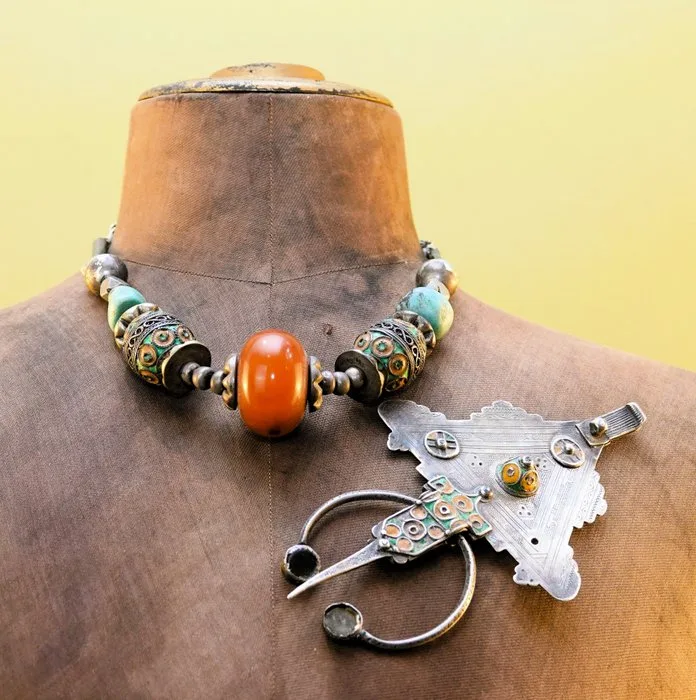
Ancient Amazigh (Berber) bridal jewelry from the Ait Ouaouzguite tribes. - Silver, Amber - Morocco - Early 20th century
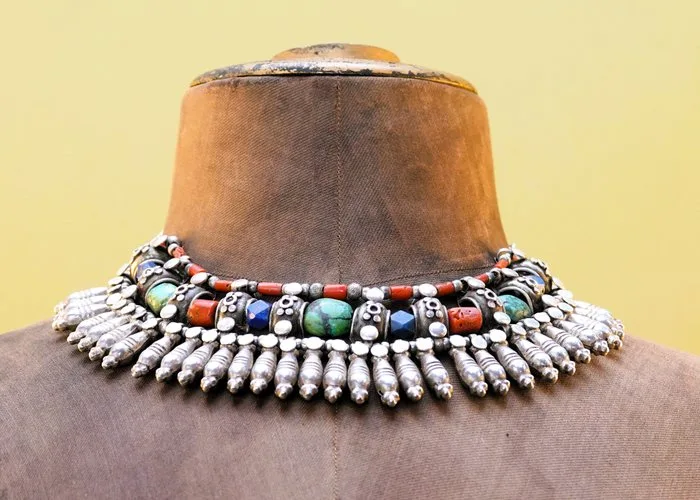
Ladakh choker - Silver, Turquoise - Ladakh, India - circa 1960
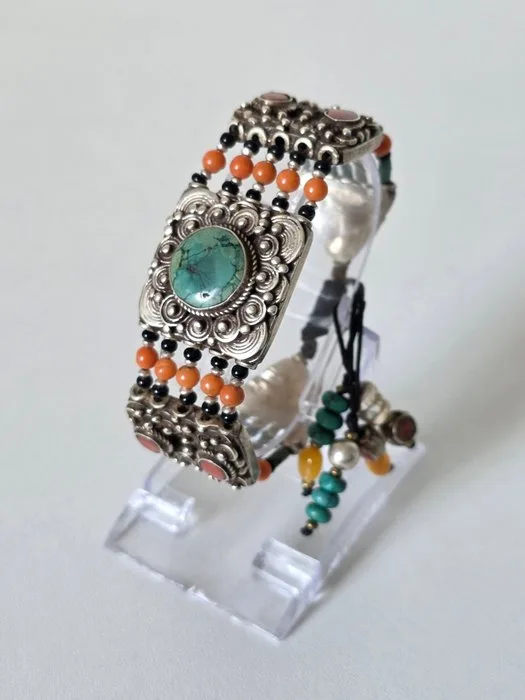
bracelet - Silver - Nepal - second half 20th century
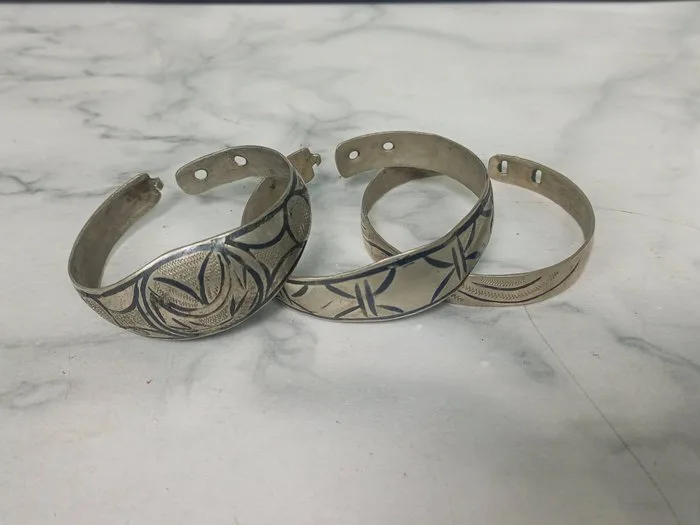
Late Ottoman Antique Silver Bracelet Set with Savat (3 Pieces) - Ottoman (3) - Ottoman İslamic -.800 silver
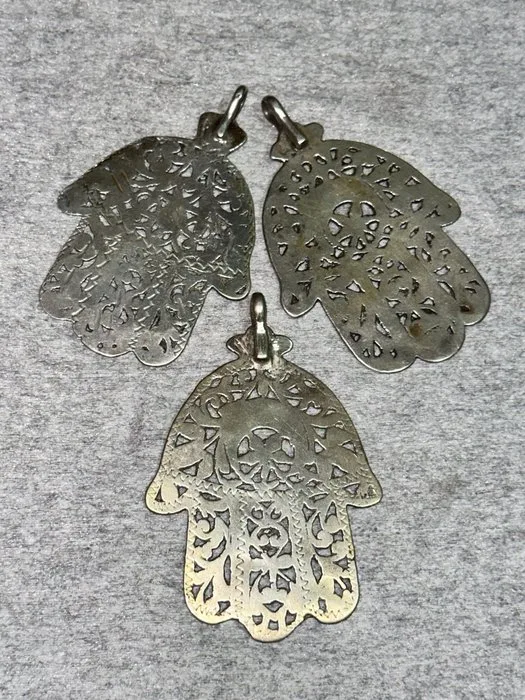
Three large Khamsa hand pendants - Silver - Tunisia - first half 20th century
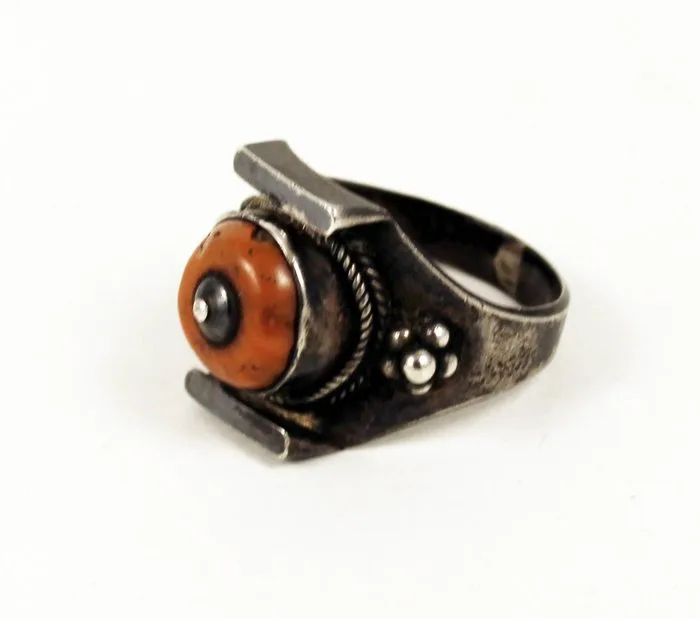
Saddle ring - Silver, Coral - Tibet - mid 20th century
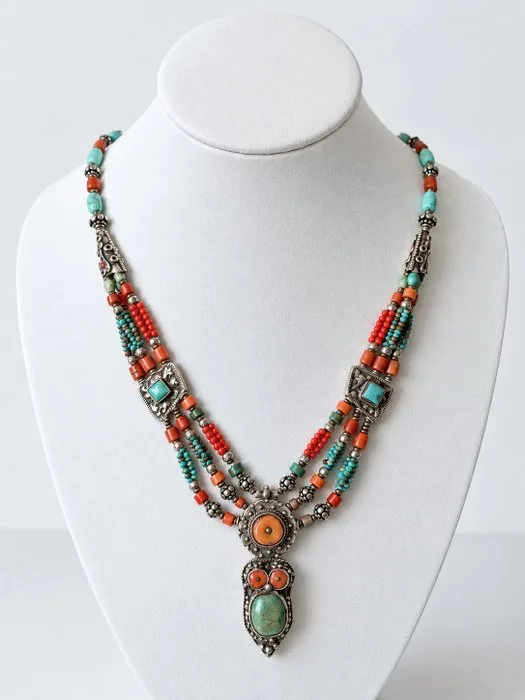
Nepalese multi-strand necklace - Silver - Nepal - 20th century
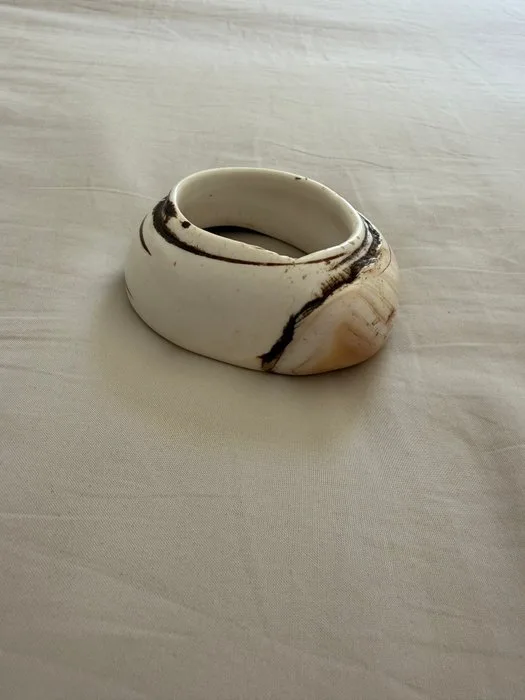
Ethnic shell bracelet - Shell - Tibet - Early 20th century
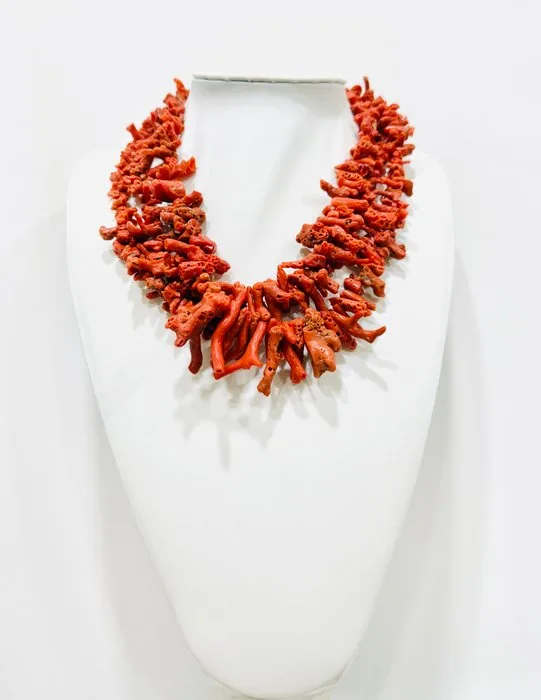
Coral - Silver - Necklace
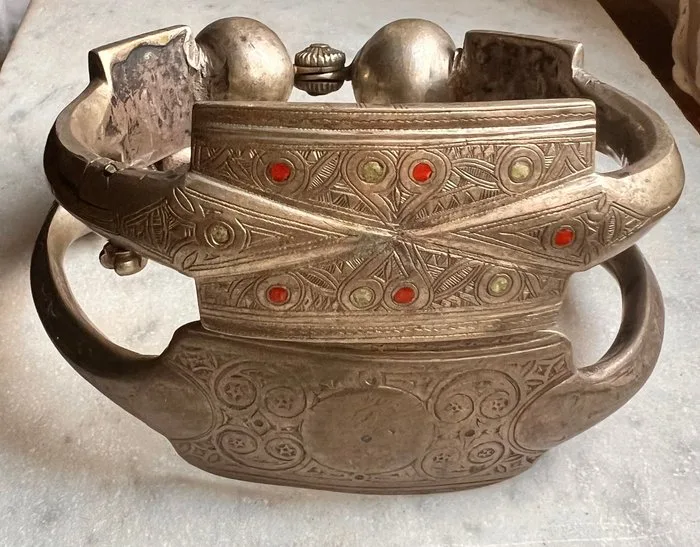
Two Khelkhal anklets - Silver - Mauritania - first half 20th century
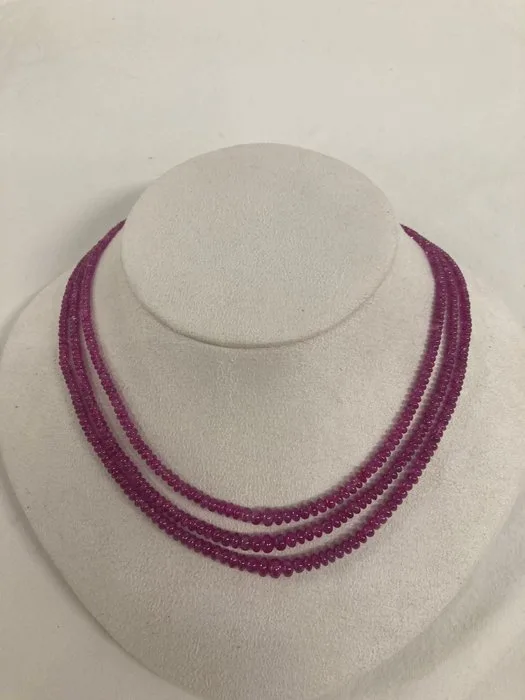
Three-row Ruby Necklace - India - 20th century
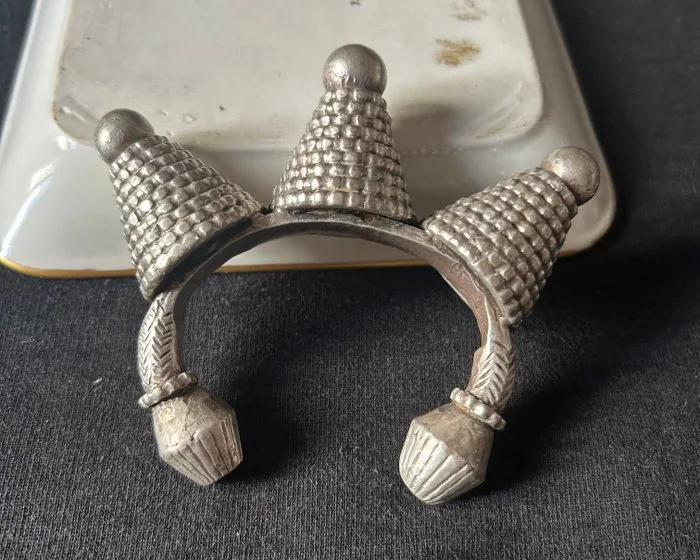
Bracelet - Silver alloy - Saudi Arabia - first half 20th century
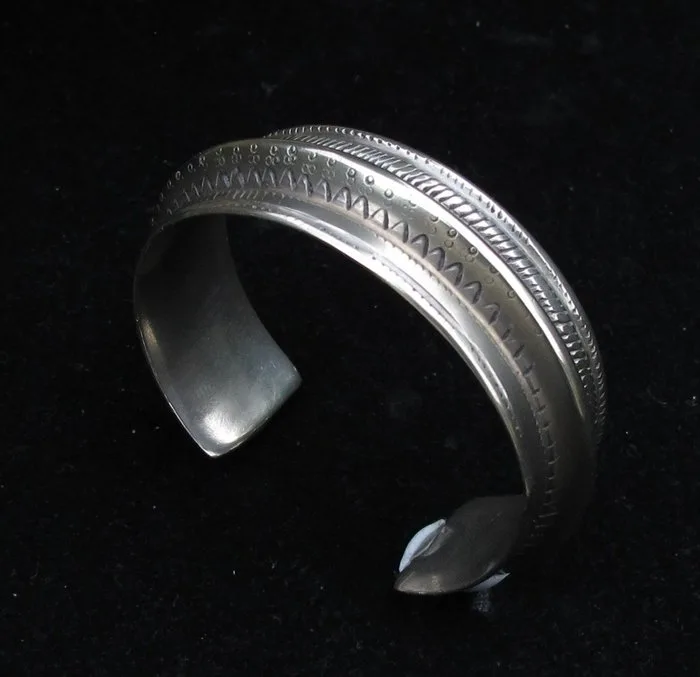
Silver tribal bracelet from the Rann of Kutch, Gujarat - India - from the early 20th century to the mid-20th century
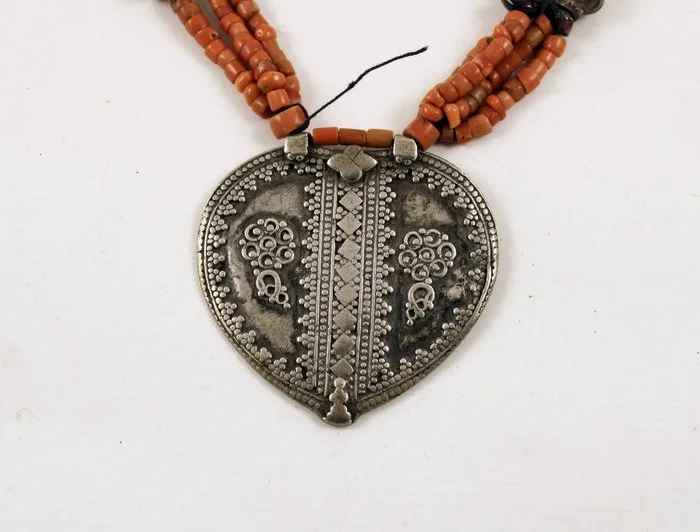
Necklace - Silver, Coral, Shell - Uzbekistan - First half 20th century
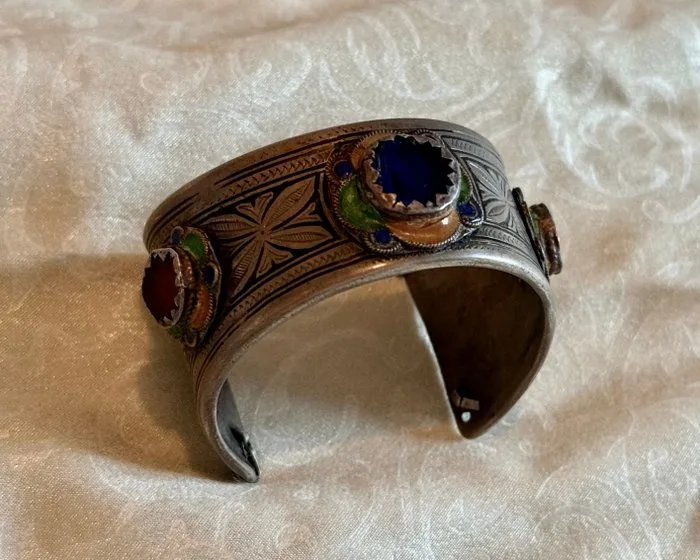
Antique silver cuff bracelet, Berber (Amazigh) - Silver - Morocco - Early 20th century
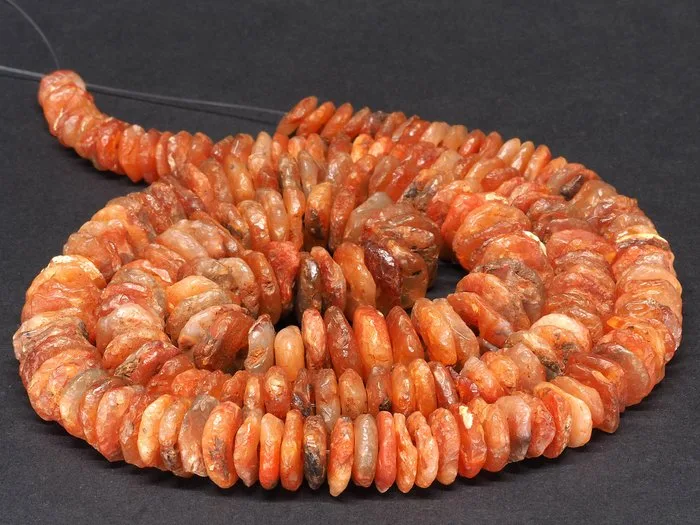
Strand of beads - Carnelian - Sahara-West Africa - Ancient
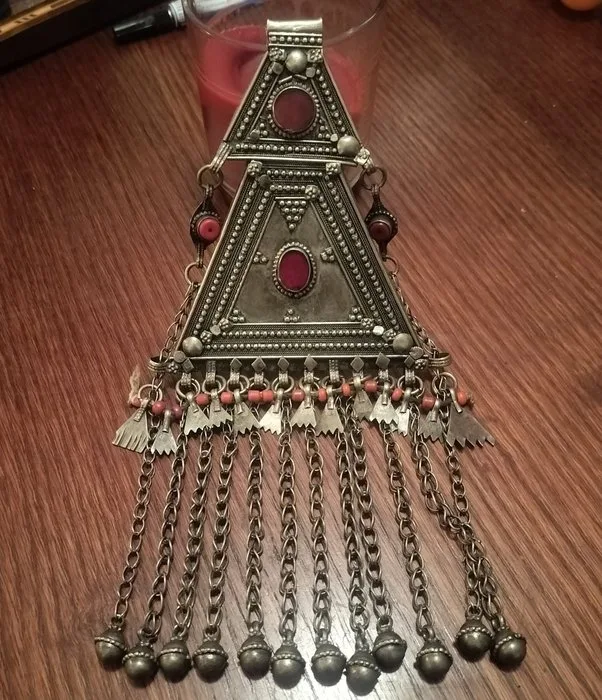
Huge tribal yemeni silver pendant with glass/corals - Total weight: 220 g - Silver - Yemen - Early 20th century
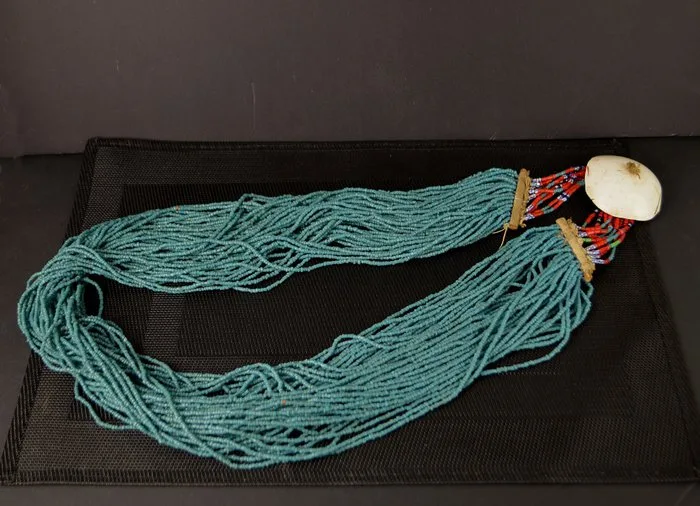
Naga glass bead necklace - India - late 19th - early 20th century
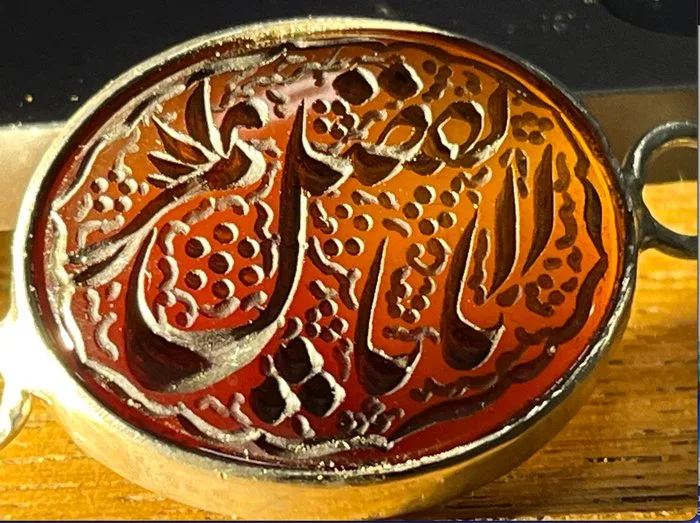
Islamic calligraphy pendant, Ottoman, Qajar, Islamic art - Qajar dynasty (1796–1925)
What you will find here
Hand-made adornment from cultures where jewellery carries meaning: Rajasthani and Banjara silver from India, coral and turquoise from Tibet and Nepal, Amazigh (Berber) silver from Morocco, Egyptian talisman necklaces, and bronze and brass bracelets from West Africa. Most pieces date from the late 19th to the late 20th century.
What to check
Traditional silver is often below sterling, so the silver content varies; the weight is usually given and is a good guide to how substantial a piece is. Older pieces show wear, small dents and a soft patina from handling, which is normal. Check lengths and bracelet sizes before ordering, and look closely at the photos for missing beads or loose settings.
Frequently asked questions
Is the silver sterling?
Not always. Much traditional silver from India, Nepal, North Africa and Southeast Asia has a lower silver content than sterling (92.5%) and is often called ethnic or tribal silver. Where a piece is hallmarked or tested, the description says so, and the weight gives a good guide to how substantial it is.
Can these pieces be worn?
Most can, with care. Older pieces may have worn clasps or thin links, so check the photos and the description. Clean silver gently with a soft cloth, and keep coral and turquoise away from perfume, water and harsh cleaners.